
Mytholmroyd: what to know before moving day
The centre sits on the valley floor round County Bridge, the stone bridge of 1684, with St Michael's Church of 1847 and the Grade II listed Dusty Miller Inn close by. That low ground has a long flood record: 1946, twice in 2012, on Boxing Day 2015, when shops by County Bridge partly collapsed and homes on Calder Grove were later demolished, and during Storm Ciara in 2020. An Environment Agency flood scheme includes higher flood walls along the Calder and Cragg Brook. If you are moving into a ground-floor property near the river, ask the seller or landlord about its flood history.
Away from the centre the older listed houses are mostly on the hillsides, and there are more than 21 listed buildings in the village. Ted Hughes was born here, and Scout Rock, a 130-foot crag on the south side of the valley, is the rock he said cast its mood over the village. Calder High School, the largest comprehensive in the Upper Calder Valley, is here, along with Burnley Road Academy and Scout Road Academy. Walkley Clogs now makes clogs on Midgley Road.
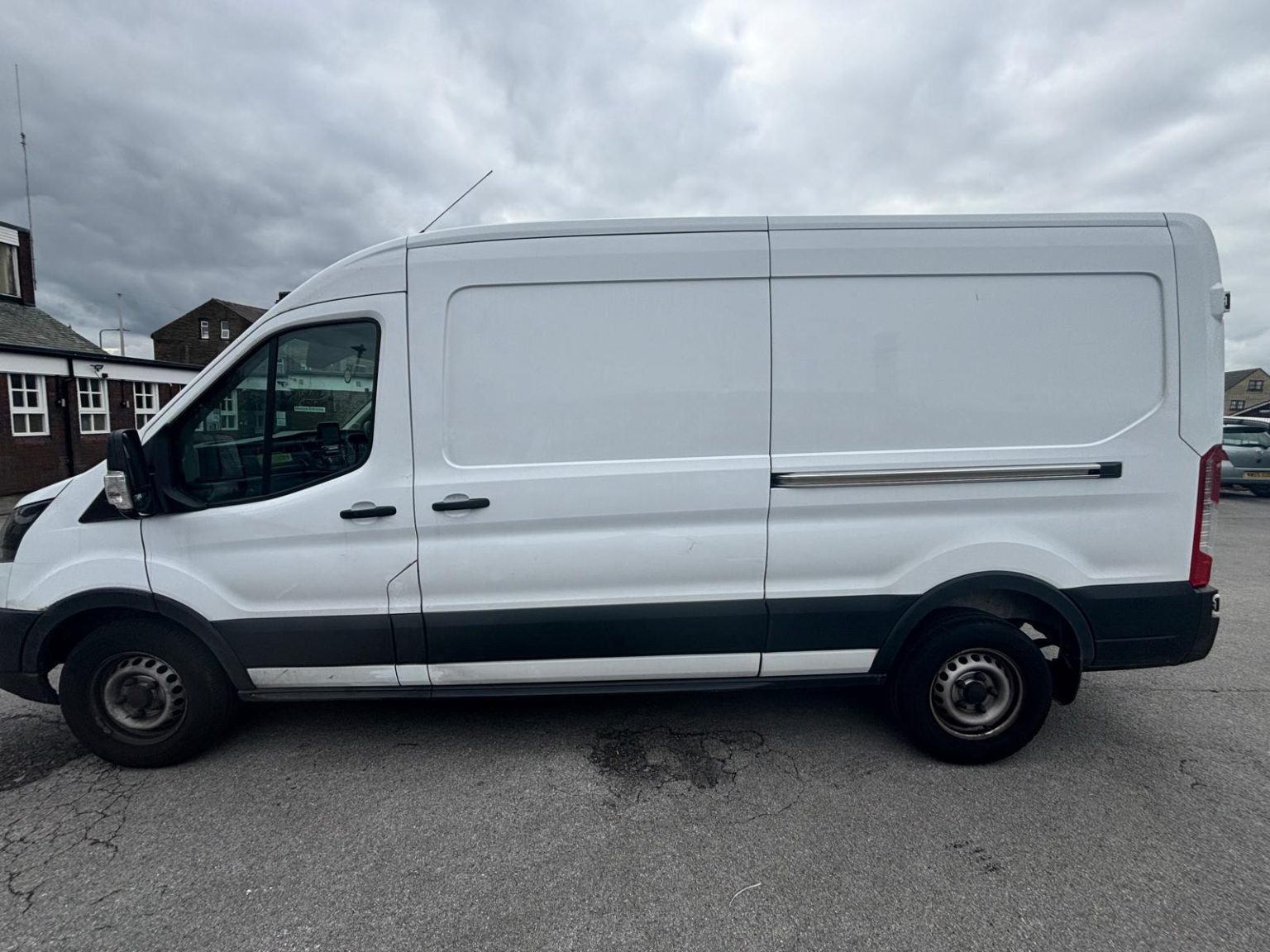
How the van gets to Mytholmroyd
The A646 Burnley Road runs through the village along the valley, east to Halifax and west to Hebden Bridge. The B6138 runs as New Road past the station and on as Cragg Road, which climbs south to Cragg Vale, and Midgley Road leaves to the north. The railway station sits on George Stephenson's 1840 viaduct, reached by long ramps, and a new car park was being built at the old loading yard. From Bradford, allow roughly 35 to 50 minutes through Halifax.
The drive from Bradford is roughly 35 to 50 minutes. That is an estimate from route data, not a timed run, and traffic changes it.
Services for Mytholmroyd
Each service below links to its Hebden Bridge page, which covers how the job works in and around Hebden Bridge.
Mytholmroyd: questions before you book
Why do Mytholmroyd and Hebden Bridge share a town council?
The two had separate urban districts until 1937, when they merged as Hebden Royd, and Hebden Royd Town Council still covers both. Mytholmroyd has its own station, schools and HX7 addresses, 2 miles down the valley from Hebden Bridge.
How do you say Mytholmroyd, and why does it matter for booking?
It is said MY-thum-royd. The spelling trips people up, so when you book, give the postcode as well as the name so the address comes through correctly.
Nearby areas
Where the local details on this page come from
Checked on 28 September 2026 against:
- Postcode lookup (postcodes.io, ONS data): HX7 5LH is in Luddendenfoot ward, Calderdale, parish of Hebden Royd
- Mytholmroyd (Wikipedia): large village in Hebden Royd, 2 miles east of Hebden Bridge and 7 miles west of Halifax, pronunciation, more than 21 listed buildings mostly on the hillsides, County Bridge (1684), St Michael's (1847), Dusty Miller Inn (Grade II), viaduct by George Stephenson (1840) and station, new station car park at the old loading yard, floods of 1946, 2012, 2015 and 2020, Calder Grove demolitions, Environment Agency flood scheme, Calder High School, Burnley Road and Scout Road academies, Ted Hughes and Scout Rock, merger with Hebden Bridge as Hebden Royd in 1937
- Mytholmroyd railway station (Wikipedia): built on the viaduct, step-free access by two long paths
- Hebden Bridge (Wikipedia): Walkley's Clog Mill moved to Midgley Road in Mytholmroyd
- OpenStreetMap map view (checked 2026-09-28): Burnley Road (A646), New Road and Cragg Road (B6138), Midgley Road, Mytholmroyd Bridge (Grade II), St Michael's, The Dusty Miller, Mytholmroyd station, Burnley Road Academy, Scout Road Academy, River Calder, Rochdale Canal, Elphin Brook